Frequently Asked Questions
What is emergency tree removal?
Emergency tree removal refers to the urgent process of safely removing trees that pose an immediate threat to people, property, or infrastructure, often due to storm damage or hazardous conditions.
What are the signs that indicate the need for emergency tree removal services?
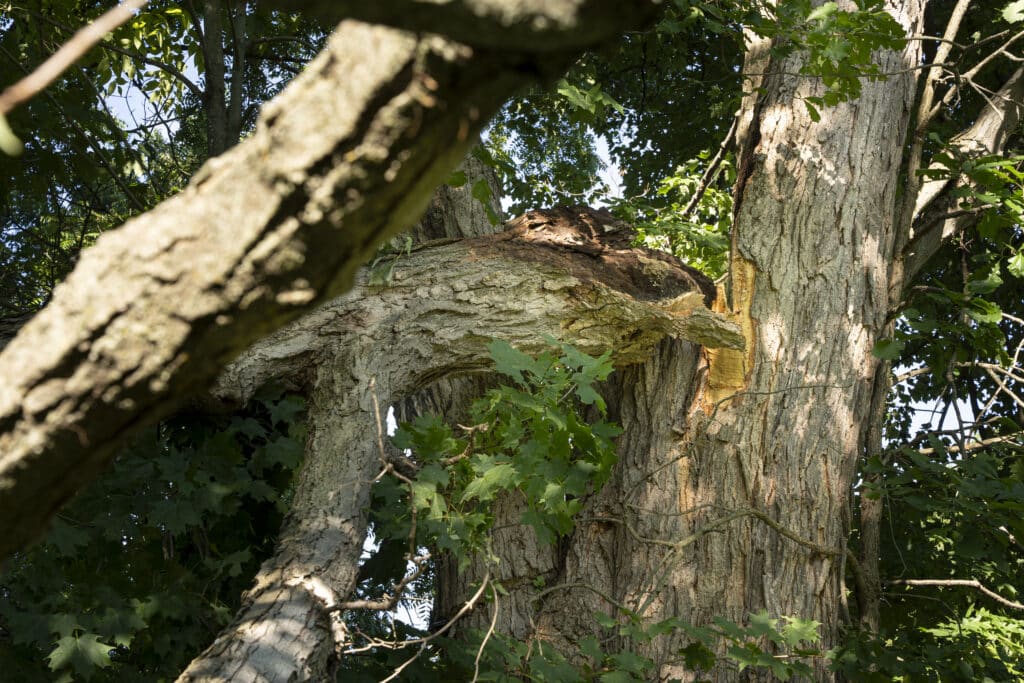
The signs that indicate the need for emergency tree removal services include visible cracks in the trunk, leaning trees, uprooted roots, and significant branch damage, especially after storms. If you notice any of these issues, immediate action is essential for safety.
What causes the need for emergency tree removal?
The need for emergency tree removal arises from situations such as storm damage, fallen branches, or trees posing a risk to property and safety. These urgent circumstances require immediate attention to prevent further hazards.
How quickly can emergency tree removal be done?
Emergency tree removal can be done swiftly, often within hours, depending on the severity of the situation and our team's availability. We prioritize urgent cases to ensure safety and minimize damage.
What tools are used for emergency tree removal?
The tools used for emergency tree removal include chainsaws for cutting, wood chippers for debris disposal, ropes and rigging equipment for safe tree handling, and safety gear to protect workers during the process.
Are there risks involved in emergency tree removal?
The risks involved in emergency tree removal include potential injury from falling branches, equipment hazards, and unstable tree conditions. Professional services like ZZ Chop Tree Care prioritize safety and have the expertise to manage these risks effectively.
How to assess tree damage for removal?
Assessing tree damage for removal involves examining the tree for broken branches, trunk cracks, or root damage. If the tree is leaning or has significant decay, it may pose a hazard and should be evaluated by a professional.
What is the cost of emergency tree removal?
The cost of emergency tree removal varies based on factors such as tree size, location, and the extent of the damage. For an accurate estimate, it's best to contact ZZ Chop Tree Care directly for a quote tailored to your specific situation.
How to choose an emergency tree removal service?
Choosing an emergency tree removal service involves assessing their response time, expertise, safety protocols, and customer reviews. Ensure they are licensed and insured to guarantee reliable and professional assistance during urgent tree-related situations.
What permits are needed for tree removal?
Permits needed for tree removal depend on local regulations. In Ottawa, you may require a permit for removing trees on private property, especially if they are of a certain size or species. Always check with local authorities before proceeding.
Can I perform emergency tree removal myself?
Performing emergency tree removal yourself can be dangerous and is not recommended. It’s best to contact professionals like ZZ Chop Tree Care, who have the expertise and equipment to handle such situations safely and efficiently.
What happens after emergency tree removal?
After emergency tree removal, the area will be assessed for safety, debris will be cleared, and any necessary follow-up services, such as stump grinding or landscaping, can be discussed to restore your property.
How to prevent future tree emergencies?
Preventing future tree emergencies involves regular tree maintenance, such as pruning dead branches, inspecting for disease, and ensuring proper root health. Additionally, planting trees away from power lines and structures can minimize risks during storms.
What are common tree hazards during storms?
Common tree hazards during storms include falling branches, uprooted trees, and weakened trunks, which can pose significant risks to property and safety. It's crucial to assess trees regularly to mitigate these dangers.
How does weather affect tree stability?
Weather significantly affects tree stability. Factors like heavy rain, strong winds, and snow can weaken roots, cause soil erosion, or lead to structural damage, increasing the risk of tree falls and emergencies, especially during storms.
What should I do before tree removal?
Before tree removal, ensure to clear the area around the tree of any obstacles, inform neighbors if necessary, and contact a professional service like ZZ Chop Tree Care for safe and efficient removal.
How to identify a hazardous tree?
Identifying a hazardous tree involves looking for signs such as dead or dying branches, cracks in the trunk, root damage, and leaning. If a tree exhibits any of these characteristics, it may pose a risk to safety and should be assessed by a professional.
What are the benefits of professional tree removal?
The benefits of professional tree removal include enhanced safety, prevention of property damage, and improved aesthetics. Professionals ensure efficient and safe removal, especially in emergencies, minimizing risks associated with hazardous trees.
How to report a dangerous tree situation?
Reporting a dangerous tree situation involves contacting local authorities or tree care professionals immediately. Provide specific details about the location and nature of the hazard to ensure a swift response and safe resolution.
What is the process for emergency tree assessment?
The process for emergency tree assessment involves a quick evaluation by our certified arborists to identify hazards, assess tree stability, and determine the safest removal methods. We prioritize rapid response to ensure safety and minimize damage.
How does emergency tree removal impact the environment?
The impact of emergency tree removal on the environment includes potential disruption to local ecosystems and wildlife habitats. However, timely removal of hazardous trees can prevent further damage and promote healthier growth in the surrounding area.
What are the signs of a dying tree?
The signs of a dying tree include yellowing or wilting leaves, significant leaf drop, a brittle trunk, and visible decay or fungus. Additionally, dead branches and a lack of new growth are clear indicators of a tree's decline.
How to prepare for emergency tree services?
Preparing for emergency tree services involves ensuring clear access to the affected area, keeping a safe distance from the tree, and having necessary contact information ready. This helps facilitate a swift and safe response from the tree care professionals.
What is the timeline for emergency tree removal?
The timeline for emergency tree removal can vary, but ZZ Chop Tree Care prioritizes rapid response, typically arriving on-site within hours of your call to assess the situation and begin the removal process safely.
How to find local emergency tree services?
Finding local emergency tree services involves searching online for tree care companies in your area, checking reviews, and asking for recommendations from neighbors or local community groups. Look for services that emphasize rapid response and safety.
What should I expect during tree removal?
During tree removal, you can expect a thorough assessment of the area, careful planning to ensure safety, and the use of specialized equipment. Our team will work efficiently to remove the tree while minimizing any impact on your property.
How to handle fallen trees on property?
Handling fallen trees on your property involves assessing the situation for safety, contacting a professional tree removal service like ZZ Chop Tree Care for urgent assistance, and avoiding any attempts to remove the tree yourself, especially if it's near power lines.
What are the safety measures for tree removal?
The safety measures for tree removal include using protective gear, ensuring proper equipment is in place, assessing the surrounding area for hazards, and following industry best practices to prevent accidents and injuries during the removal process.
How to maintain trees to avoid emergencies?
Maintaining trees to avoid emergencies involves regular inspections, pruning dead or weak branches, ensuring proper watering and fertilization, and removing any hazardous trees or limbs. This proactive care helps prevent storm damage and other tree-related risks.
What are the long-term effects of tree removal?
The long-term effects of tree removal include changes to the local ecosystem, potential soil erosion, and loss of shade and habitat for wildlife. Additionally, it may affect property values and increase exposure to wind and sun.